01 — Secure
Human Dignity
Recognize and protect the inherent worth, agency, identity, voice, safety, and hope of every person.

We identify genuine gaps of care and develop, launch, and steward distinct Chartered Programs that protect human dignity, deepen flourishing, and strengthen resilience in people and communities.
01 — Secure
Recognize and protect the inherent worth, agency, identity, voice, safety, and hope of every person.
02 — Advance
Move beyond relief alone toward stability, belonging, growth, purpose, contribution, and joy.
03 — Nurture
Strengthen the relationships, practices, resources, leaders, and institutions people need to endure and adapt well.
Why TDI exists
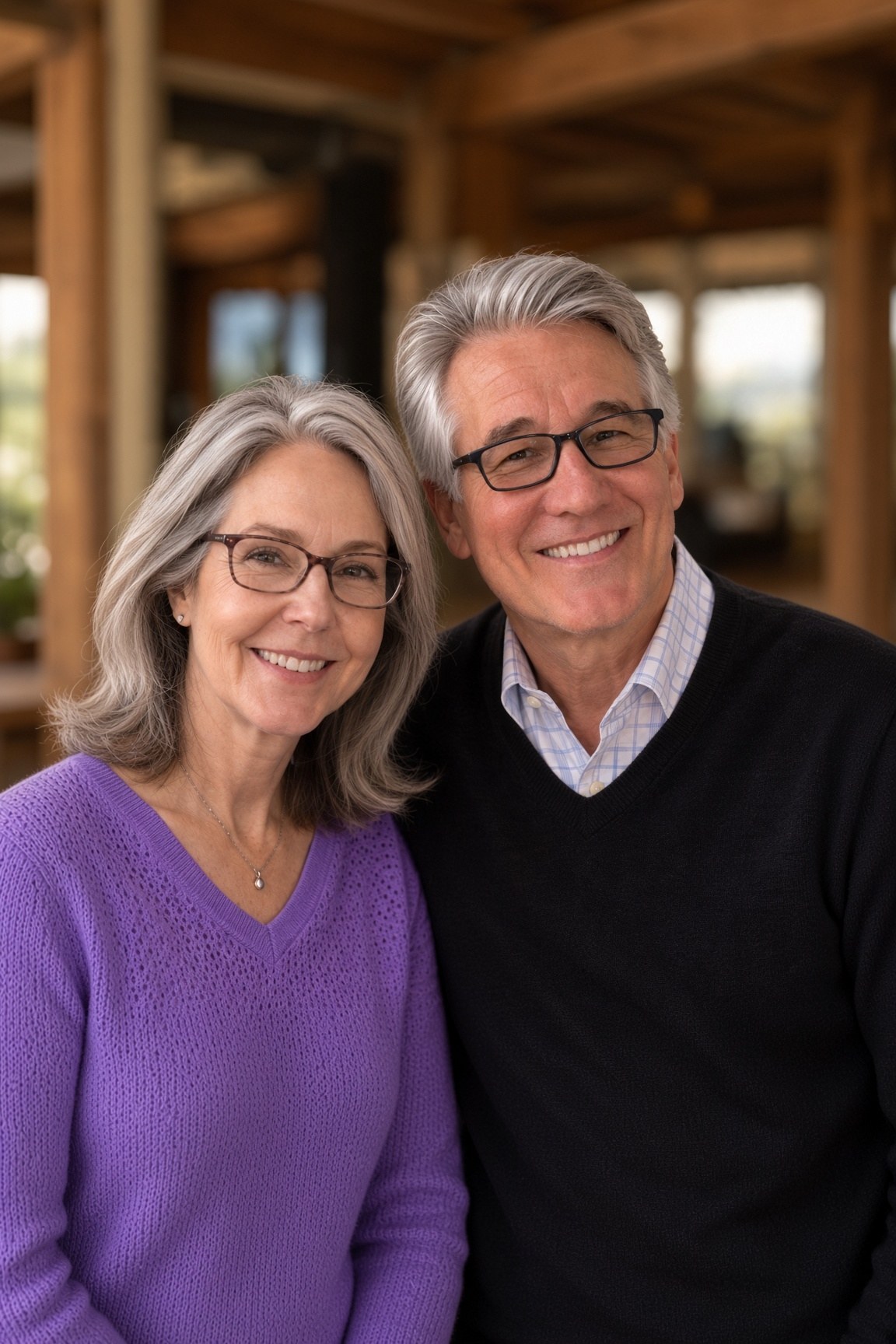
Holly and Chris Meidl have spent their married life in mission-driven work — founding ministries, serving boards, advising organizations, and walking with people who believed God had entrusted them with something. TDI did not begin as a charitable portfolio. It grew from seeing, up close, what lets meaningful work endure, and what can quietly destroy it.
Important ideas without enough institutional capacity. Gifted founders carrying burdens they were never meant to carry alone. Boards unclear about governance. Work expanding faster than it can be sustained. The Dignity Imperative is their response: an ecosystem of distinct Chartered Programs, strengthened by one platform, so leaders can stay close to the people they are called to serve.

About
The work begins with people — not with needs, labels, diagnoses, crises, or slogans attached to them.
We have watched people be reduced to what happened to them — a diagnosis, a docket, a fundraising story, a quiet absence no one knew how to stay with. The rest of a life does not disappear because a wound is loud. Dignity is the refusal to forget that. It is a way of seeing, and then remaining, when a story will not resolve on anyone else’s timetable.
The Dignity Imperative, Inc., a registered 501(c)(3) organization, is Christian in identity and a shared institution for distinct Chartered Programs. We exist so that a genuine gap of care is not met with a burst of energy and then left. It is met with people who will stay, with craft that can be trusted, and with a platform strong enough to hold the work when inspiration thins.
“Dignity is a substance, not a concept. It must be experienced, not merely asserted.”
Mission
The Dignity Imperative develops, launches, and stewards Chartered Programs that secure human dignity, advance holistic flourishing, and nurture sustainable resilience.
Vision
We envision people and communities in which God-given dignity is recognized, belonging is cultivated, institutions act with integrity, and durable relationships and resources make flourishing possible.
The three imperatives
Dignity and agency are fundamental to security, identity, worth, and hope. Design with people, protect voice and safety, and evaluate systems by how they affect those with the least power.
Flourishing goes beyond relief into stability, belonging, growth, purpose, contribution, meaningful work, spiritual depth, and joy.
The ability to respond in crisis and change requires knowledge, resources, healthy practices, competent institutions, and productive relationships that can endure.
Founding story
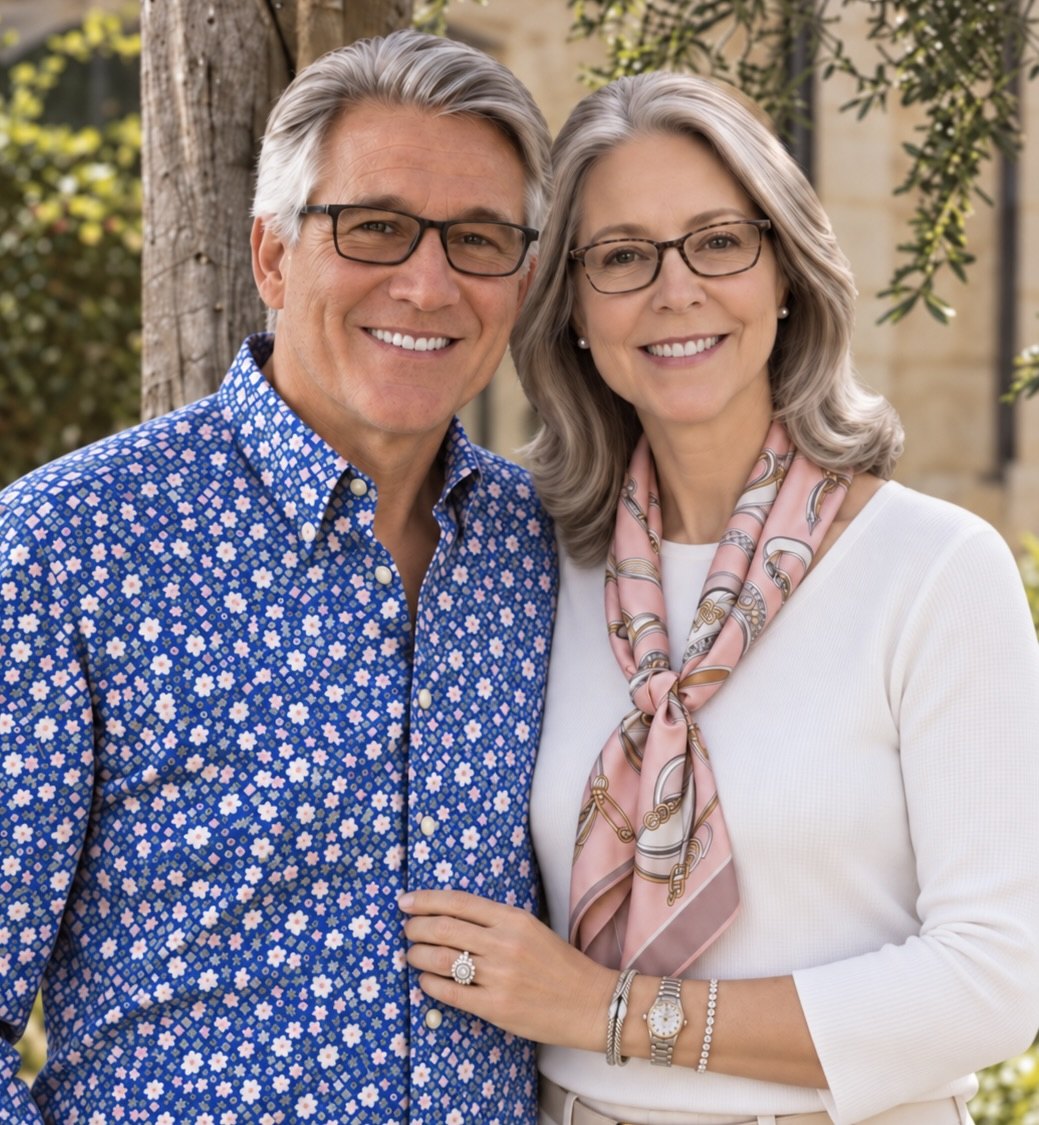
Holly and I have spent our married life in and around mission-driven work, both for-profit and charitable. Together we have founded ministries, served on boards and leadership teams, advised organizations, and worked alongside founders carrying something they believed God had entrusted to them. Holly’s professional life has added another dimension: decades of senior leadership in risk, healthcare, and institutional stewardship, including her role as Senior Vice President and Chief Risk Officer at Ascension.
We are not noteworthy philanthropists. TDI grew out of a lifetime of seeing meaningful work up close — what allows it to endure, and what can quietly destroy it. Sometimes the decline is slow. Sometimes it is sudden. We have learned some of this beside others, and plenty of it by suffering the consequences of our own mistakes.
Again and again we met the same gaps: important ideas without institutional capacity; founders carrying responsibilities they were never equipped to carry alone; unclear governance; thin financial, legal, risk, and operating systems; isolated leaders; and succession deferred until crisis. Beneath those practical problems is often something personal — the fear of failing God, disappointing friends and donors, or admitting that a worthy idea may need to change, pause, merge, or end. Passion can make those decisions harder, not easier.
The Dignity Imperative is our response to what we have witnessed and now carry. It is not an umbrella over unrelated projects, or a portfolio of charitable investments. It is an ecosystem: distinct Chartered Programs with their own mission, leadership, identity, and community, strengthened by one institutional platform — governance, finance, risk, legal and compliance, operations, fundraising, communications, and stewardship. The aim is not to centralize everything. It is to carry together what need not be rebuilt separately, so program leaders can remain close to the people they serve.
Because infrastructure alone is not enough, TDI includes the Stewards’ Table — a continuing community of Program Directors, built on the conviction that no leader should have to carry consequential work alone. TDI exists to give important work more than inspiration: a durable home capable of carrying it well.
Thank you for visiting. Holly and I would genuinely welcome hearing from you — a question, an idea, a concern, or a need. God bless you, and may He receive all the glory.
Core values
Faith shapes more than a statement of belief. It shapes methods, boundaries, leadership, budgets, governance, participant care, and public conduct.
Every person is inherently worthy.
People flourish in community.
Formation precedes platform.
Our presence carries our witness.
Build outside familiar boxes while remaining answerable to truth, ethics, and real need.
Accountability is personal and systemic.
Leadership is service, not status.

Our model
A Chartered Program operates within The Dignity Imperative. It is not automatically a separate charity. Shared capacity is mission-protecting — not overhead as an afterthought.
TDI does not erase Program identity or replace field leadership. It centralizes the institutional functions that benefit from scale, professional discipline, and fiduciary accountability — while keeping mission-specific relationships close to the people who know the work.
What remains distinct
What is shared
The TDI program pathway
01
Listen for recurring needs, overlooked burdens, and patterns of fragmentation.
02
Test whether the need is genuine, consequential, insufficiently served, and appropriate for TDI.
03
Identify existing organizations, leaders, assets, barriers, evidence, and potential partners.
04
Clarify people served, value proposition, safeguards, operating model, budget, and measures.
05
Name mission, governance, relationship, decision rights, financial home, and accountability.
06
Stand up a friction-responsible structure, then delivery, visible services, and trust.
07
Hold reporting, donors, operations, communications, formation, and personnel.
08
Learn, adapt, and grow only in proportion to evidence, trust, demand, and capacity.
Shared platform
Board oversight, chartered authority, charters, policy, risk review, and accountability.
Budgeting, designated-fund accounting, controls, reporting, payroll, and stewardship.
Contracts, insurance, charitable and donor notices, data protection, and counsel.
Work design, hiring support, HR practices, professional integrity, and leadership development.
Needs assessment, model design, ethics, partnerships, safeguards, outcomes, and improvement.
Case development, campaigns, proposals, stewardship, reporting, and designated support.
Brand architecture, web and print assets, stories, editorial standards, and shared visibility.
Shared systems, access management, reporting tools, and technology support across Programs.
Strategic judgment, incubation, crisis response, and cross-program coordination.
The program family
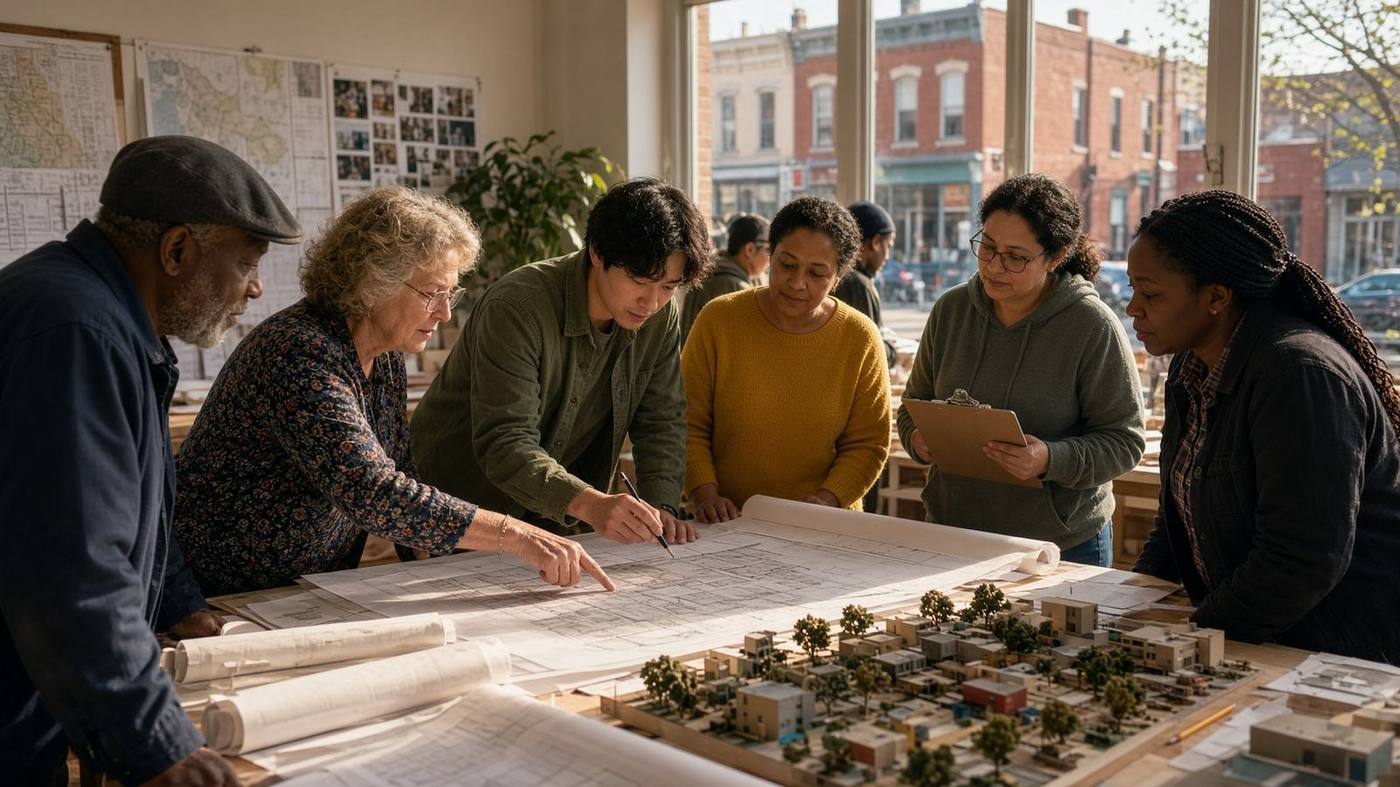
Each initiative has a clear mission lane and public identity. All are held together by one mission, one set of values, and one shared institutional platform.
Discover · Engage · Build · Support
Rebuilding the foundations of family, community, and church — beginning with care for the broken, not with a slogan.
Craft. Character. Calling.
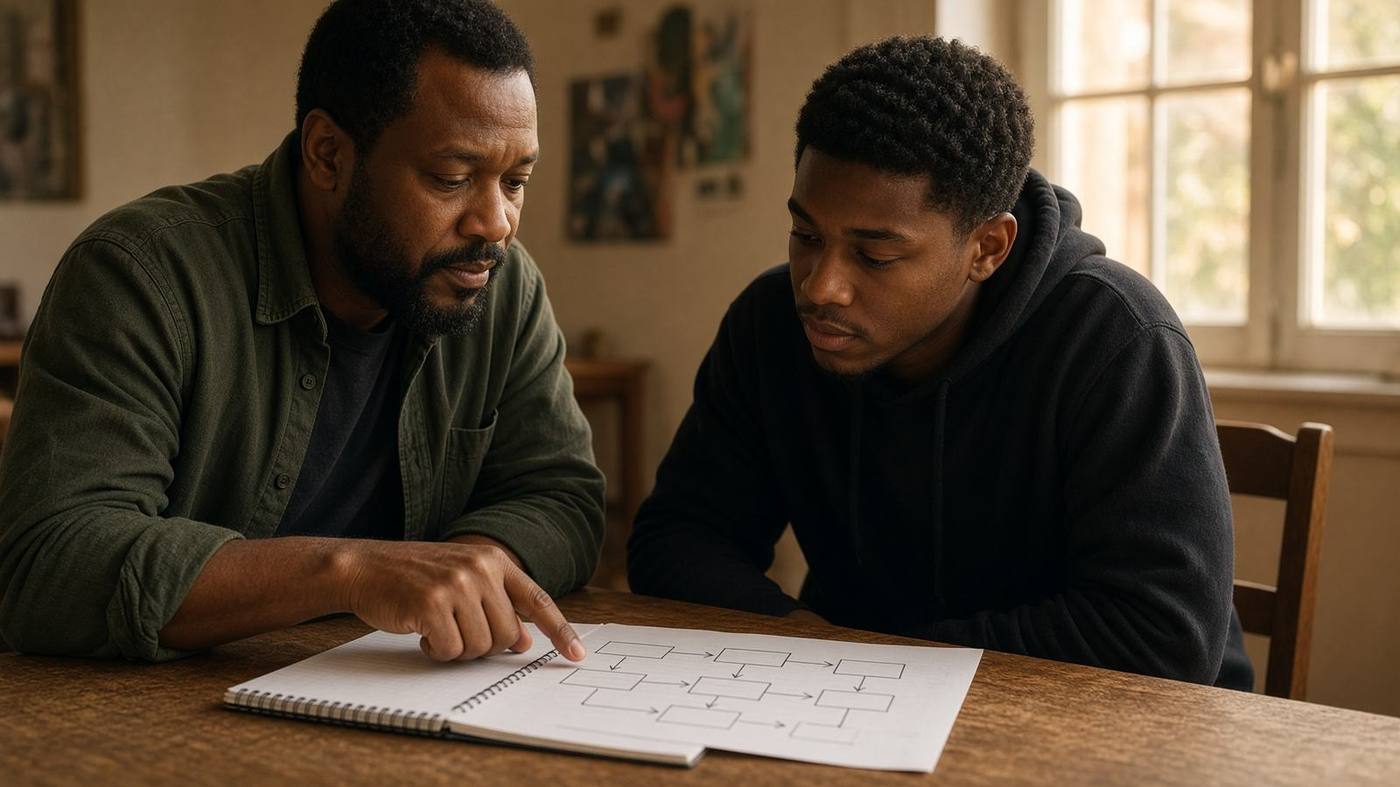
Mentoring young men toward skilled work, responsible adulthood, and lives of purpose and contribution.

Hope that holds
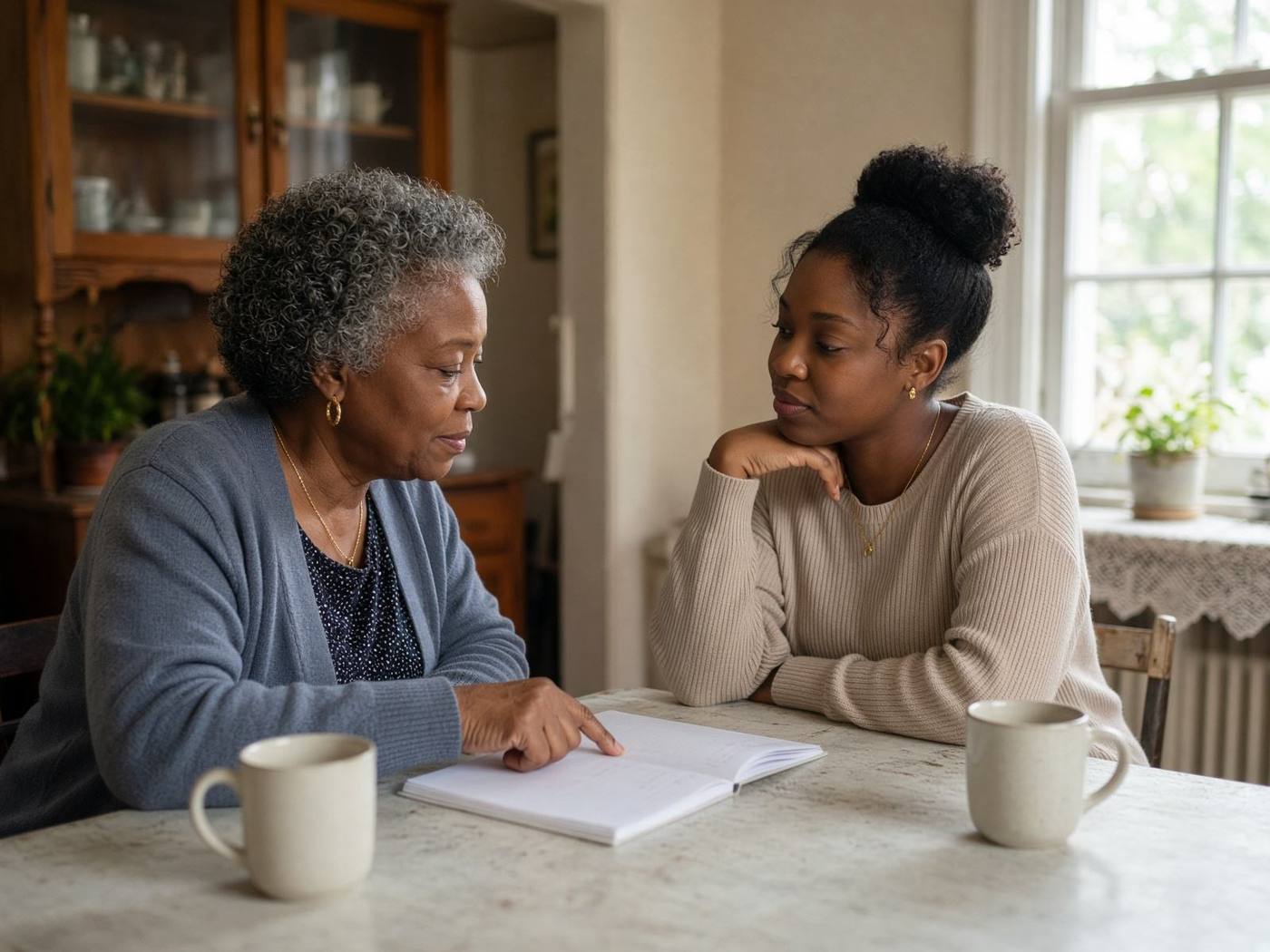
A church-anchored, trauma-informed support network for sacred suffering — infertility, pregnancy and child loss, and adoption- or foster-related grief.
Out and up
Connecting people at a life pivot with someone who has already walked a similar road — and come through.
Creativity that contributes
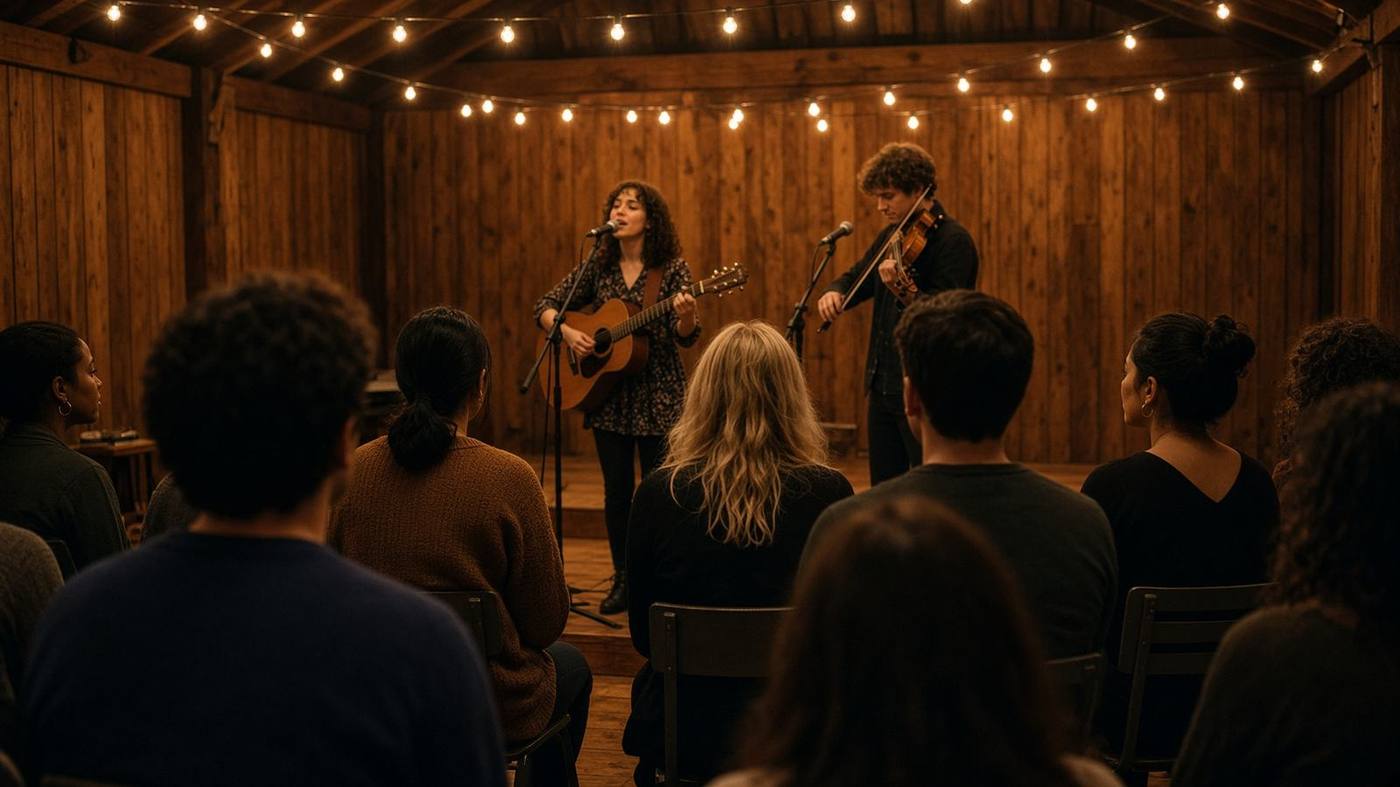
A formative creative community for young artists and makers — belonging, craft, and vocation with a home in the Franklin area.

Land that sustains
Protects meaningful landscapes and creates rooted experiences through which land, beauty, simplicity, and deliberate practice form people.
Justice that restores
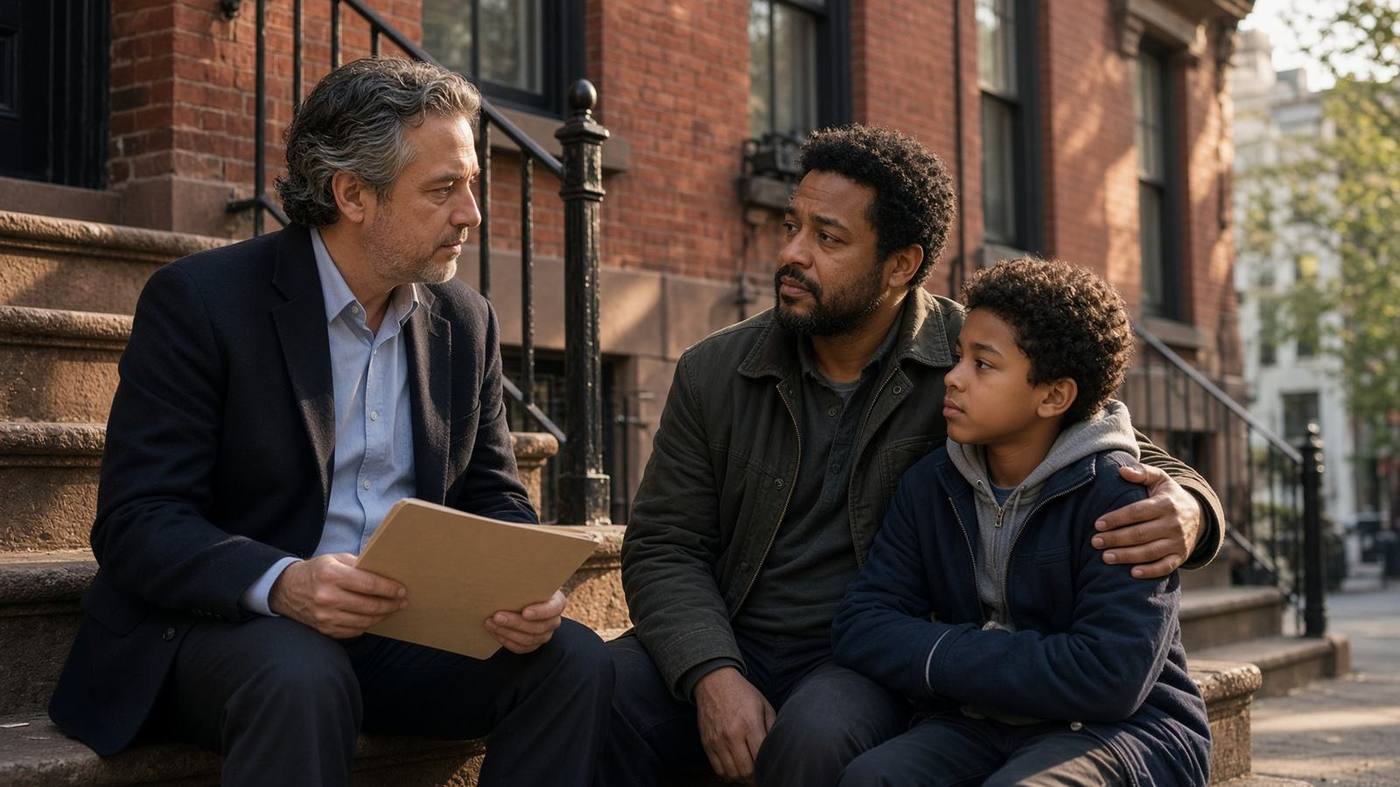
A regional pathway from civil legal need to professional, relational legal assistance in Middle Tennessee.
Healing that endures
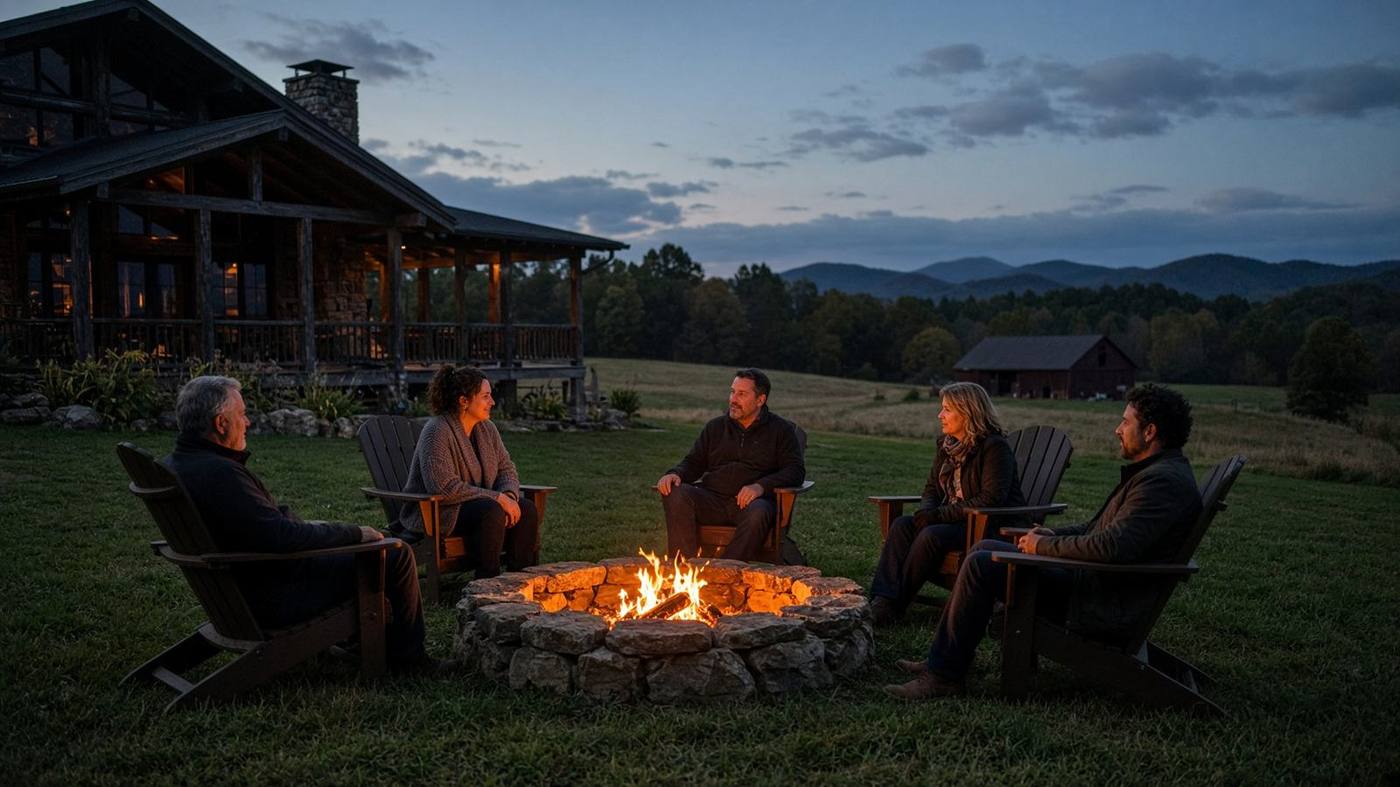
A faith-rooted restorative setting for pastors, ministry leaders, artists, worship leaders, and other burden-bearing people.
Discover · Engage · Build · Support
A connective hub where trusted leaders restore what actually holds a life: family, neighbor-love, and a church that is hands, feet, and safety net. The ancient foundations are rebuilt by tending people first.
“The Spirit of the Sovereign Lord is on me, because the Lord has anointed me to proclaim good news to the poor… They will rebuild the ancient ruins and restore the places long devastated.”
Isaiah 61 does not begin with walls. It begins with the poor, the brokenhearted, and the captives. Those who have been cared for then rebuild. Jesus reads this same charge in Luke 4. Let's Rebuild takes that order seriously.
“The good we secure for ourselves is precarious and uncertain until it is secured for all of us and incorporated into our common life.”
The vision
Let's Rebuild exists so that the ancient foundations can be named without becoming a mood. We mean the foundations of family; the love and care of a community; and a church that looks like Acts 2 — devoted to the apostles’ teaching, the breaking of bread, and holding things in common — a safety net for widows, orphans, and neighbors, the hands and feet of Christ. Conserving what is good is older than any current slogan. The work is to go back far enough to recover that, and then to live it.
The gap of care
Faithful people are already restoring families, neighborhoods, and congregations — often alone, and often without language for what they are actually rebuilding. Without that clarity, “ancient foundations” can mean anything. Isaiah 61 is specific: first the broken are tended. Then the ruins are restored. Isolation makes both harder. Proven care stays local. The next place has to start over.
The response
Connect trusted leaders and organizations already doing this work. Strengthen practices that restore households, neighbor-care, and congregations that can actually stay with widows, orphans, and the wounded. Share what works so communities do not have to invent mercy from scratch. Let's Rebuild does not replace those organizations. It helps them become a common life.
What is distinctive
The first foundation. Households restored toward belonging, responsibility, and care that lasts longer than a crisis.
Love and care made ordinary — neighbors who show up, not a campaign about “community.”
Acts 2 as a working picture: teaching, table, shared life, and a real safety net. Hands and feet, not branding.
The Spirit’s charge is to the poor and the brokenhearted. Those who have been tended become the rebuilders of the ruins.
Craft. Character. Calling.
A vocational pathway joining trusted relationships, skilled trades, spiritual formation, and real employment steps for young men in under-resourced Nashville communities.
“The Lord will open the heavens, the storehouse of his bounty, to send rain on your land in season and to bless all the work of your hands.”
The passage is received as a formative image — God cares about human work; skill has dignity; provision is meant to strengthen households and communities — not as a promise that faithful people will become prosperous or escape hardship.
“No race can prosper till it learns that there is as much dignity in tilling a field as in writing a poem.”
The vision
Project 28:12 exists so that young men can pursue skilled work, responsible adulthood, and contribution through sustained mentoring, exposure to the trades, practical preparation, and relationships with employers and training pathways. The long measure is not simply that a participant gets a job. It is that he increasingly possesses the relationships, habits, judgment, skills, and opportunity needed to build a durable life.
The gap of care
Many young men have intelligence, practical ability, and a desire to build a stable life — and still have no one who can make the path into work understandable. They may know that electricians, HVAC technicians, carpenters, plumbers, welders, and other skilled workers can build strong careers, and still not know which credential matters, how apprenticeships work, what an employer expects, or whom to call when something starts going wrong.
The response
Begin with a consistent mentoring relationship and cohort, then explore real trade environments, prepare for workplace trust, enter an individualized next step, and keep walking with a young man after the first job or apprenticeship starts. Mentors walk with him. They do not decide for him.
What is distinctive
Many workforce initiatives begin with training. Project 28:12 begins with a trustworthy adult who stays.
Mentoring is joined to electrical, HVAC, carpentry, plumbing, welding, construction, and other viable trades — not left as encouragement without a pathway.
Showing up, keeping commitments, safety, money, and workplace culture are made visible before a jobsite is asked to carry them.
The Program is transparently Christian. Faith is never a condition of belonging, employment, or mentor approval.
Hope that holds
Christ-centered peer support and spiritual care that churches can host well — without asking pastors or volunteers to become therapists.
“Hope is the thing with feathers that perches in the soul, and sings the tune without the words, and never stops at all.”
The vision
Holding Hope Project equips local churches to create safe, Christ-centered places for people navigating the often-invisible pain of infertility, pregnancy or child loss, adoption, fostering, and related family-formation grief. The work is presence first — not a promise of a particular earthly outcome.
The gap of care
About one in six couples experience infertility. About one in four pregnancies end in loss. Thousands of families also carry adoption- and foster-related trauma. Most churches are not equipped to hold this well. Isolation replaces community; well-meaning words cause harm; pastors carry weight they were never trained to hold. A quarterly awareness night is not the same as a safe, repeatable holding environment.
The response
Phase One is an 8–12 week weekly journey — eight shared core sessions, optional lane modules for infertility, loss, adoption/foster grief, and partners who grieve differently — then a lighter monthly rhythm. Facilitators use clear boundaries, a local referral plan, and access to licensed clinical supervision. Holding Hope is peer support and spiritual care, not psychotherapy, medical care, or legal advice.
What is distinctive
The local church remains the spiritual home. Holding Hope protects the model and equips leaders; it does not replace the congregation.
Predictability, consent, the right to pass, and a no-fixing posture. C.R.E.A.T.E. guidelines keep the room safe.
Facilitators listen, pray, and refer. They do not diagnose, treat, or give medical, legal, or adoption advice.
No one is pressured to become a testimony. Public stories require written consent and are never required for care.
Out and up
A relationship-first mentoring architecture. Life alumni walk with people who are trying to move out of limitation and up toward purpose, healing, and a next faithful step.
“When you learn, teach. When you get, give.”
The vision
College. A broken home. A first-generation path no one in the family has walked. Decision Tree Mentoring turns lived experience into a trustworthy guide. We pair a person at an important decision point with a mentor who has traveled a similar road — not as a rescuer, but as someone who can tell the truth, stay, and help them take the next step.
The gap of care
Schools and professions have alumni who can open doors. People navigating under-resourced communities, family rupture, recovery, or a first-generation path often have no equivalent. Ability is not the same as a navigable next step. Many people need a credible adult who has been there — and who will not decide the life for them.
The response
The Decision Tree process identifies a starting point, matches a mentee with a life alum who has walked a similar path, and moves through clear steps: assess, align, advance, and anchor. Mentoring is relational and practical — identity, faithful vision, goals, and ordinary next actions — with boundaries that keep the mentor from becoming therapist, parent, or rescuer.
What is distinctive
Mentors are matched by shared road, not merely shared demographics or career goals.
The work is not only escape from a hard place. It is movement toward purpose, belonging, and a durable next chapter.
Mentors help people see choices. They do not take the decision, the story, or the credit.
When someone comes through a hard passage, that story can become someone else’s pathway — with humility, not performance.
Creativity that contributes
Sustained community, mentoring, and Christian formation so young creatives can belong, grow, and complete meaningful work — with The Odeon as a place to gather, make, and offer mature work when the time is right.
“We make in our measure and in our derivative mode, because we are made: and not only made, but made in the image and likeness of a Maker.”
The vision
FlaxCo is being formed so young creatives in the Franklin, Tennessee area are known over time — not processed through disconnected events. Craft, mentorship, Artists in Residence, and Christian formation sit together so making becomes a way of belonging, not a scramble for platform.
The gap of care
Emerging artists can find classes, content, and occasional shows, and still lack a community that forms identity, craft, and calling over years rather than weekends. Public exposure without formation asks people to perform before they have been known.
The response
Move from first encounter toward belonging, recurring mentors, completed work, and an appropriate next step. The Odeon is the platform for that formation — a place to gather consistently, learn alongside working professionals, and offer mature work to the public when readiness, not institutional pressure, says it is time.
What is distinctive
The measure is whether young creatives stay long enough for something meaningful to happen — not attendance counts.
Artists in Residence and working professionals are embedded closely enough to model practice, critique, and the ordinary life of a maker.
Identity, vocation, failure, comparison, and a biblical view of creativity are part of the work — not hours of teaching delivered.
A home for gathering, serious making, and public offering when the work is ready.
Land that sustains
Protecting meaningful land and cultivating places where deliberate living, wonder, and stewardship can take root.
“I went to the woods because I wished to live deliberately, to front only the essential facts of life, and see if I could not learn what it had to teach.”
The vision
The Walden Initiative is being developed as a network for land conversation joined to deliberate, place-based formation. The work asks whether particular places can be protected and ordered so that wonder, work, and belonging become possible again.
The gap of care
Conservation can protect acreage while still leaving communities without a way to live, learn, and work in those places with care. Formation without land, and land without formation, both thin out over time.
The response
Explore partnerships that protect land and also host formation — so stewardship is a practice, not only a legal status.
What is distinctive
Not every parcel is the work. The Initiative attends to places that can actually form a people.
Wonder, work, and restraint are treated as skills to be practiced.
The aim is stewardship and formation, not hospitality as a product.
Land and culture move slowly. The Initiative will not outrun trust.
Justice that restores
Trustworthy pathways between communities and legal capacity — assessment, warm handoff, and bounded representation where it adds what existing providers cannot absorb.
“Injustice anywhere is a threat to justice everywhere. We are caught in an inescapable network of mutuality, tied in a single garment of destiny.”
The vision
Dignity Law Group is being formed as a regional legal-access platform for Middle Tennessee. People with money and social capital often have more than the ability to hire a lawyer — they have relationships. DLG’s work is to create trustworthy pathways so more people can be seen, informed, and responsibly represented, in ways that strengthen rather than compete with the institutions already carrying this work.
The gap of care
Tennessee’s 2025 civil legal needs assessment found widespread problems, low awareness of free help, and cost as a primary barrier. Middle Tennessee already has serious legal-aid institutions, clinics, and specialized nonprofits. The remaining gap is the route from a serious civil problem — housing, family, medical debt, benefits, employment — to a usable next step when eligibility, geography, language, or capacity leave someone outside the system.
The response
Depending on launch design, that can include legal education, screening and triage, brief advice, limited-scope representation, selected full representation, and follow-through. Geography will be chosen by evidence. Franklin and Williamson County warrant diligence because legal need can be especially invisible inside aggregate prosperity; Napier-Sudekum is no longer presumed as a first site after other providers expanded there.
What is distinctive
Excellent legal judgment, supervision, conflict checks, confidentiality, and professional responsibility.
Clients know what happens next, who owns the next step, and whether a referral actually became a connection.
Clients receive understandable choices and remain decision-makers in their own matters.
DLG listens to communities and existing providers before deciding what service it should offer.
Healing that endures
A developing sanctuary south of Franklin where leaders and creatives can step out of performance, receive restorative care, and be referred well — before strain becomes collapse.
“You have made us for yourself, O Lord, and our heart is restless until it rests in you.”
The vision
Emberwell is being developed as a discreet, immersive setting near one of the world’s densest creative and ministry ecosystems — Franklin and the countryside south of it. The vision holds clinically informed care, spiritual grounding, trusted peers, and time in nature together, without asking guests to keep performing while they recover.

The gap of care
Pastors, ministry leaders, artists, worship leaders, caregivers, and other burden-bearing people can remain highly functional while carrying isolation, exhaustion, vocational pressure, and limited access to care that actually fits their world. The region has therapists, conferences, and workshops. What is scarce is a private place to step away from public demand, tell the truth, and discern what must change.
The response
Emberwell is not a substitute for licensed treatment, addiction care, or crisis intervention. It can become the place where depletion is recognized earlier, where spouses or trusted peers can be included appropriately, and where guests are connected to qualified clinical, recovery, pastoral, or medical care when necessary.
What is distinctive
Clinically excellent, disciplined, and delivered within transparent professional boundaries.
A time-bound stay in a dignified residential setting that allows space for deeper repair and practice.
An accompanying path and shared rhythms intended to remain beyond the residential intervention.
Franklin and the land south of it: close enough to Nashville’s creative and ministry density, removed enough to feel genuinely apart.
Leadership & governance
The public posture of TDI is institutional rather than personality-led. Founders are named in the story. The board carries the fiduciary load.
Founding leadership
TDI was founded by Chris and Holly Meidl out of a long-term commitment to respond practically and substantively to needs within their communities of proximity and broader garden of influence. Title and public biography remain subject to approval.
Founding leadership
Alongside Chris, Holly helped establish TDI as an institutional home for distinct Chartered Programs. Public title and extended biography remain subject to leadership approval.
Governing board · Placeholder
The TDI board carries fiduciary responsibility, legal oversight, and institutional accountability for the whole. Individual names, photographs, and terms will be published when approved.
Advisory councils · Placeholder
Advisory councils bring field expertise and community trust. They do not replace the TDI governing board, and they are distinct from the Stewards’ Table — the Program Directors’ own leadership community.
The Stewards’ Table
The Stewards’ Table is TDI’s leadership community of Program Directors — entrusted with strengthening one another, each Chartered Program, and the whole ecosystem. It is not a board. It is not management. It is a covenant community of peers.
As each Program grows stronger, every other Program benefits. The Table exists so that no TDI leader ventures out alone.
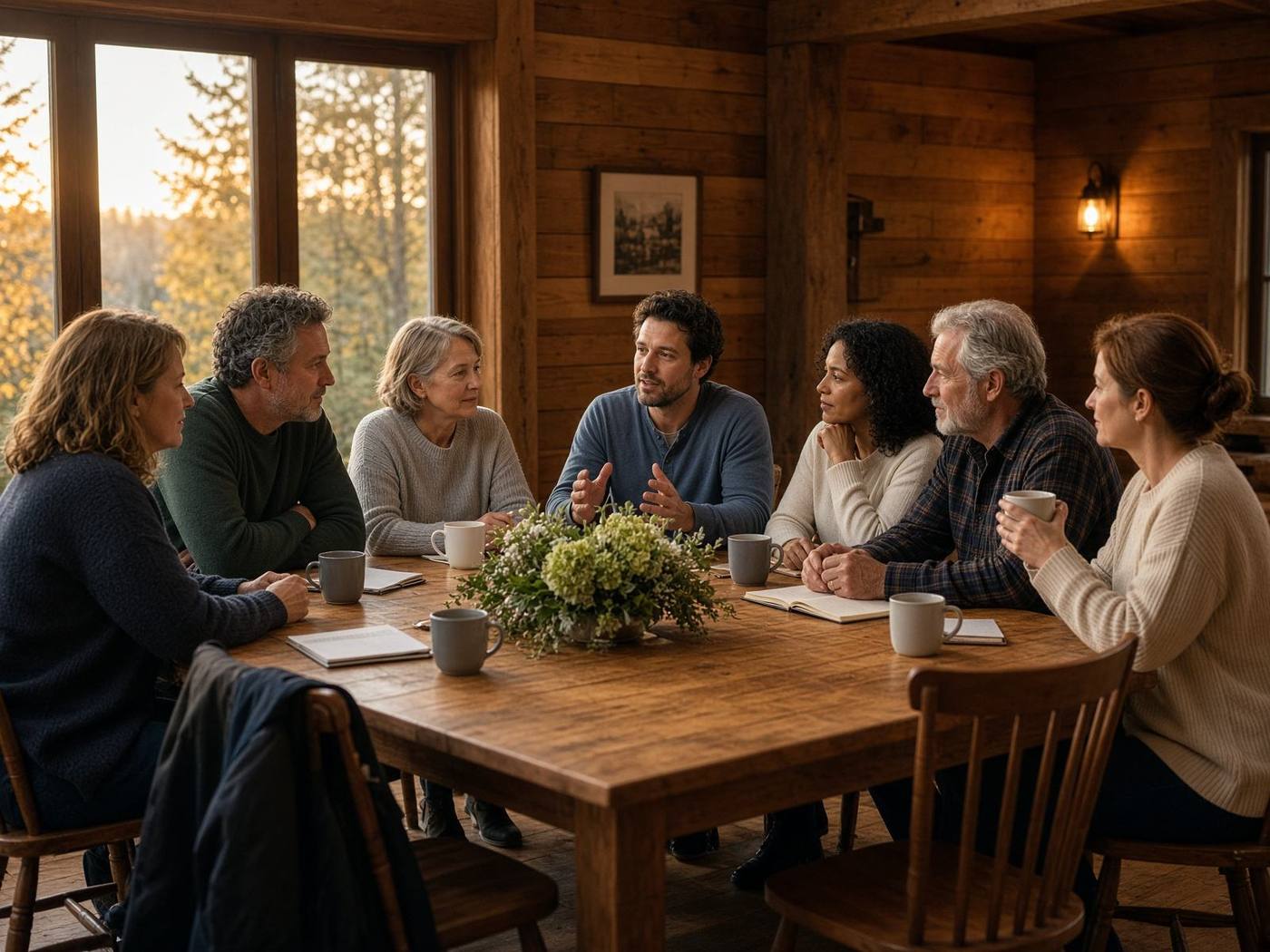
A trusted community of Program Directors who steward their missions with excellence and collectively advance TDI through mutual wisdom, collaboration, encouragement, and faithful leadership — built on trust and prayer.
Monthly
A private online community for questions, resources, introductions, documents, celebration, problem-solving, and prayer.
Every other month
A 90-minute virtual cohort with the Executive Director: wins, challenges, a deep learning topic, a Director presentation, and prayer.
Quarterly
Small peer groups of three or four Directors for confidential conversation, coaching, and mutual encouragement.
Annually
A two- or three-day Leadership Summit — the family reunion of the ecosystem — for shared learning, Board conversation, worship, and renewal.
Core commitments
Each year Directors bring an Annual Harvest: what worked, what they would do differently, one lesson for the whole, one opportunity needing partners, and one prayer. Over time the Table becomes institutional memory no single Program could hold alone.
Resources & insights
Articles, program updates, field notes, and guides that strengthen practice and trust — not a content-marketing treadmill.

Article
The gap between genuine burden and durable institutional capacity is where most good intentions quietly fail.
Read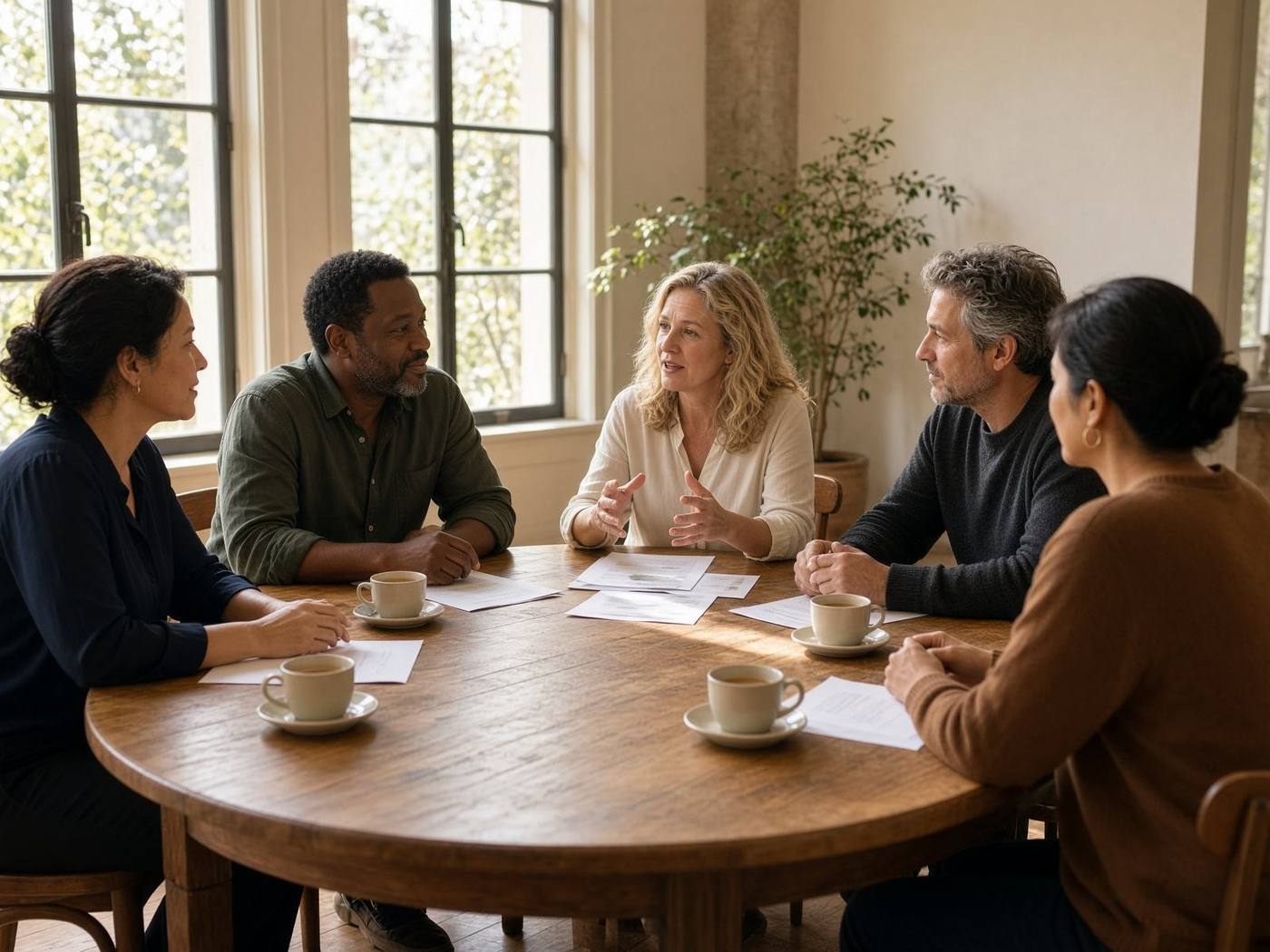
Guide
How distinct mission lanes keep their identity while sharing one legal home, one board, and one set of convictions.
Read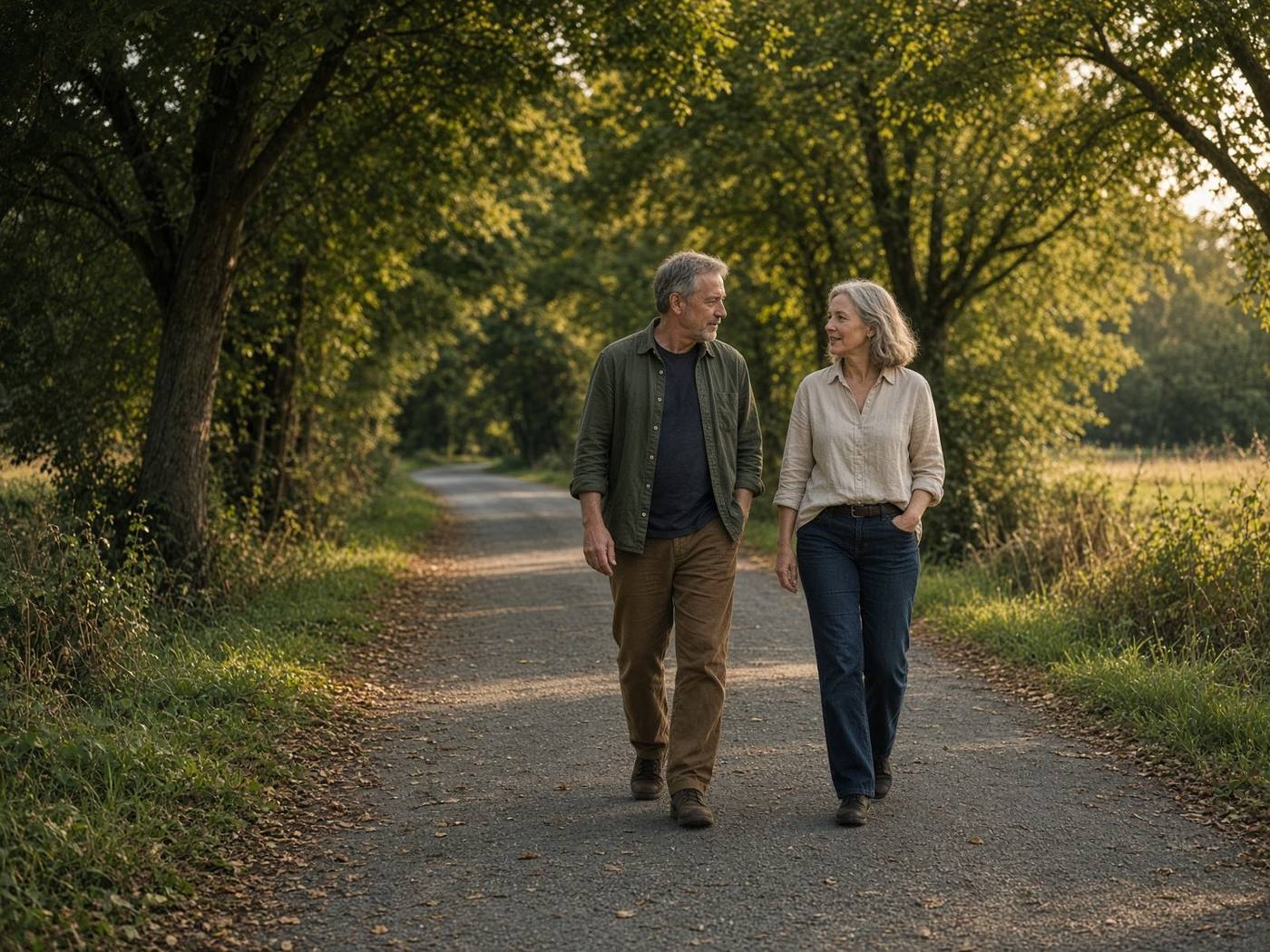
Guide
Notice, discern, map, design, charter, launch, steward, and strengthen — without skipping the unglamorous middle.
ReadArticle
Leadership is service, not status — and the bounds of a role are part of the witness.
ReadField note
A developing note on land, deliberate living, and why acreage without a way of life is not yet stewardship.
ReadProgram update
Why a healing vision for weary leaders must distinguish intensive care, residence, and long-arc community — and not announce services it cannot yet offer.
Read
Give
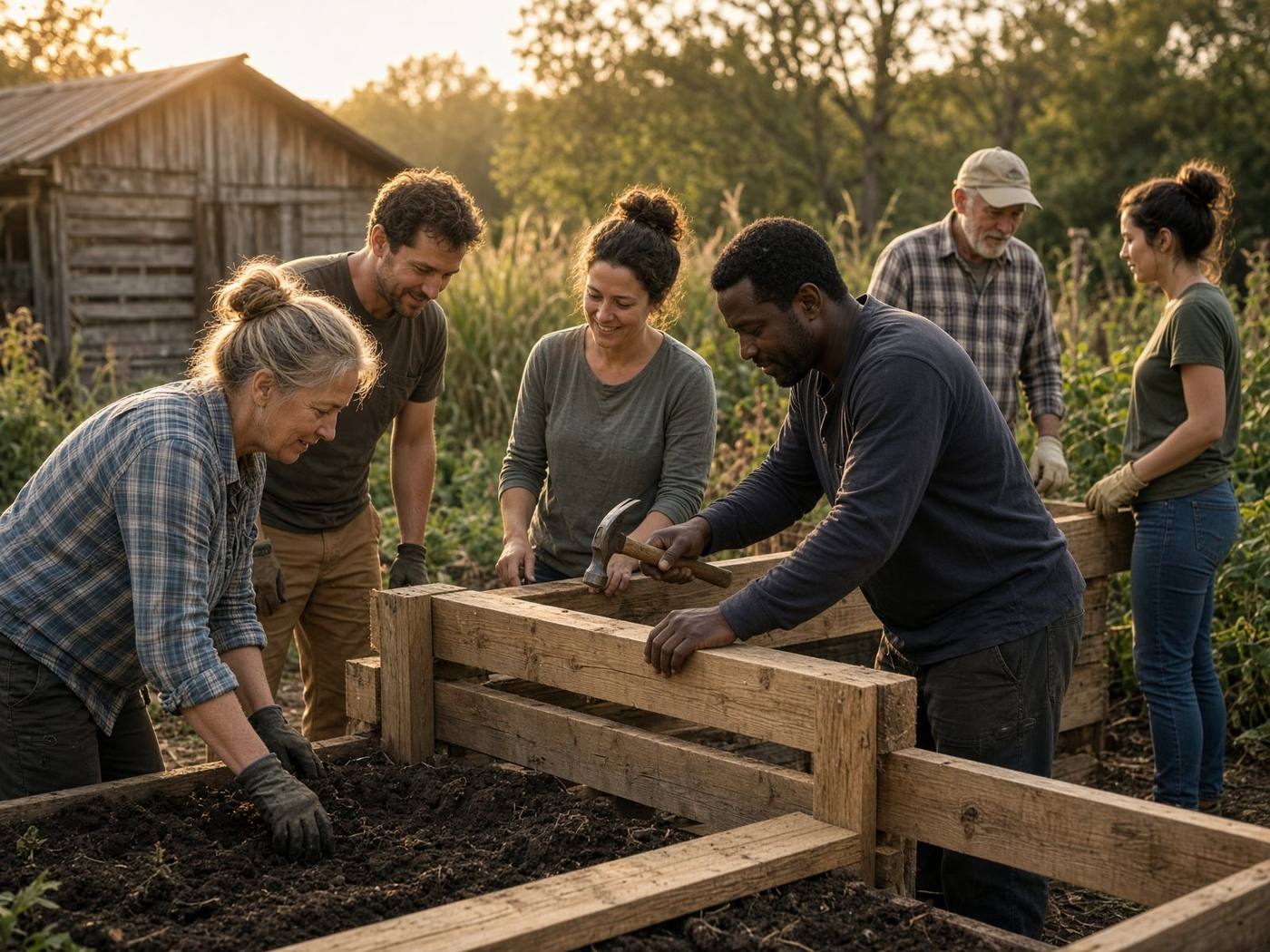
You do not have to choose between a focused Chartered Program and a platform that can last.
Board, policy, and fiduciary care.
Controls, accounting, and reporting.
People, systems, and daily stewardship.
Program design with ethical guardrails.
Language that stays true to the work.
Models sized to evidence and trust.
Formation, judgment, and accompaniment.
Capacity that outlasts a campaign cycle.
Give with confidence
Partner with us
The page begins with listening and mapping, not an open invitation to launch every idea.
01
Bring field skill that a gap of care actually requires — clinical, legal, formational, operational, or pastoral.
02
Open trusted networks among churches, coalitions, civic partners, and community leaders.
03
Offer land, facilities, or gathering space where a response can be hosted without displacing local work.
04
Resource a designated program or the shared platform that makes focused work durable.
05
Walk with a Chartered Program as a founder, advisor, or long-horizon steward.
06
Name a burden you see clearly — then listen, map, and test fit before anyone builds.
01
Begin with conversation, not a pitch.
02
See what already exists before inventing.
03
Test fit, responsibility, and timing.
04
Choose the right next step — including pause or referral.
Founding-partner language is welcome. The first step is still a conversation.
Contact
Ask a question, explore a partnership, discuss a program, bring a gap of care, or learn how to support the shared institution.
Participate
TDI exists to notice and respond with integrity when a gap is real.